
 By Aarav Mehta
Maritime navigation is more than just finding a way from one place to another — it is a story of human curiosity, innovation, and the unbreakable bond between people and the sea. From ancient civilizations using the stars to modern sailors relying on advanced instruments, navigation has shaped the course of history and connected the world.
The Early Days of Navigation
Early seafarers depended on natural signs such as the sun, moon, and stars. Civilizations like the Phoenicians, Greeks, and Chinese made significant advancements, using celestial bodies and coastal landmarks to explore new lands and establish trade routes.
The Invention of the Compass
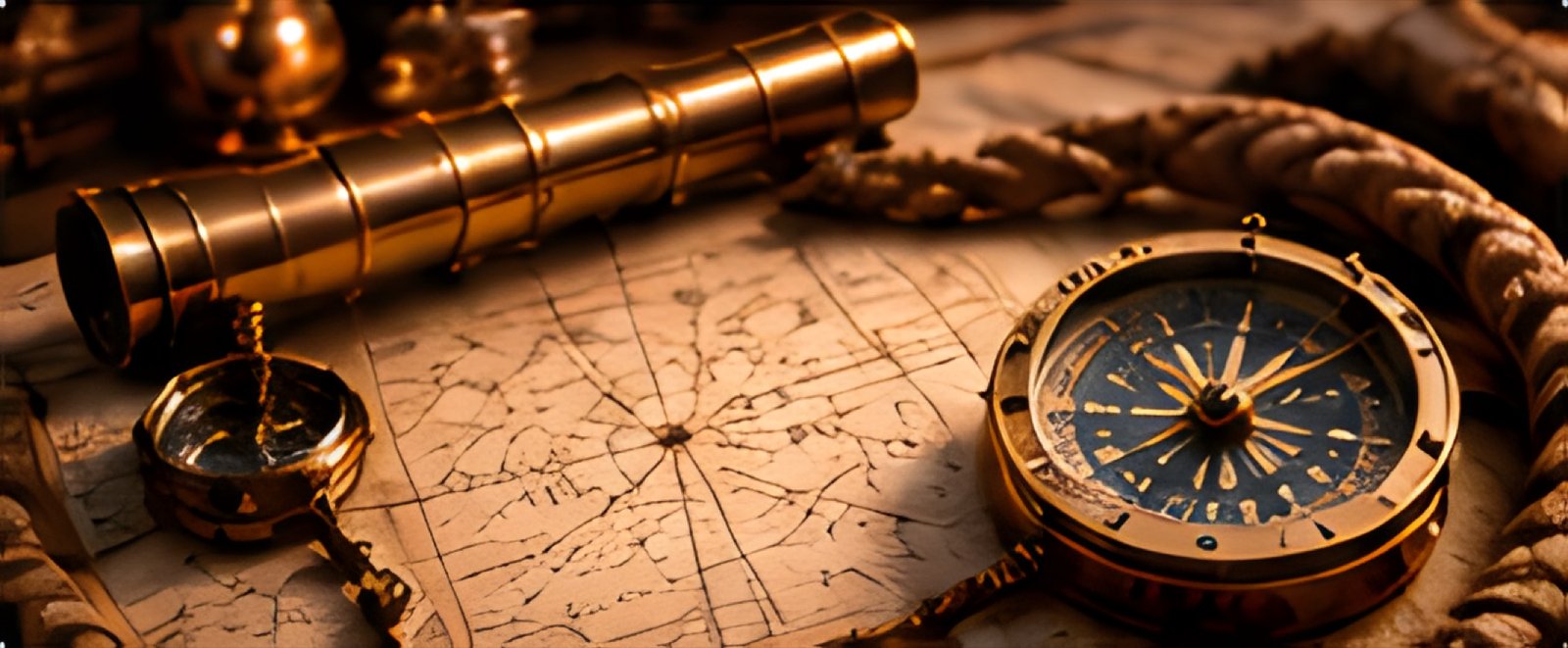
The magnetic compass, believed to be invented in China, revolutionized navigation. It gave sailors the confidence to venture farther into unknown waters, leading to the Age of Exploration and global trade.
Modern Navigation Instruments
Today, marine navigation combines traditional tools with modern technology such as GPS, radar, and digital charts. However, handcrafted instruments like brass compasses and telescopes remain timeless symbols of the rich maritime heritage.
“Navigation is not just about reaching a destination, but about embracing the journey, the discoveries, and the stories the sea has to tell.”